Best Tropical Fish for 60L Tank UK: Easy Community Picks
Which tropical fish actually work in a 60L tank?
TL;DR: For most UK homes, the best fish for a 60L tank are harlequin rasboras (8–12), panda or peppered corydoras (6+), and a calm “centrepiece” like a honey gourami (1). If you have hard tap water (common in many UK regions), platies (6+) are also an excellent, low-fuss choice. Across beginner community set-ups these species cope well with normal day-to-day variation when the tank is fully cycled and you keep up with weekly water changes.
If you’re searching for the best fish for 60l tank UK, you’re usually aiming for fish that are hardy, peaceful, easy to feed, and realistically suited to a 60-litre footprint. New to fishkeeping? Start with our guide on how to start a home aquarium UK and the fishless cycle guide before buying fish. This AquariumPet guide focuses on beginner-friendly tropical options, straightforward stocking ideas, and UK-specific buying advice—so your first community tank stays enjoyable rather than turning into a constant maintenance job.
Key Takeaways (60L Tropical Tank UK)
- 60 litres is a sweet spot for stability and stocking flexibility without needing a huge footprint.
- Choose hardy community fish such as harlequin rasboras, panda/peppered corydoras, platies, honey gouramis, and (with care) a bristlenose pleco.
- For easy planning, build around one shoal + one bottom group + (optional) one centrepiece.
- Most beginner tropical communities do well around 24–26°C; importantly, stability beats chasing “perfect” numbers. Check how much electricity a fish tank heater uses UK to budget for heating.
- Buy responsibly in the UK: choose reputable shops that quarantine where possible, and always cycle the tank first. Pair your setup with one of the best quiet aquarium filters UK.
What makes a fish “best” for a 60L tank in the UK?
The “best” fish for a 60L tank are the ones that reliably thrive in the conditions most UK keepers can provide. In practice, that usually means fish that:
- Stay small enough for a 60L aquarium (adult size and activity level matter more than shop size).
- Suit typical UK tap water (many areas are hard/alkaline; others are softer—check yours before buying).
- Are peaceful community species (so you can build a stable stocking plan).
- Tolerate minor variation in temperature and parameters once the tank is cycled (hardy, not “unkillable”).
- Are easy to feed on readily available UK foods (good quality flake/micro pellets plus occasional frozen foods).
With typical beginner equipment (standard internal/external filters, heaters set to the mid-20s, weekly maintenance), the species below are consistently among the most forgiving choices for a 60L tropical community.
Is a 60 litre tank big enough for tropical fish?
Yes—a 60L aquarium is a solid beginner size for small tropical community fish. Compared with smaller tanks, it’s more stable in temperature and water quality, and it gives you enough room for a shoal, a bottom group, and an optional centrepiece.
- Better water stability: more volume buffers small mistakes (like slight overfeeding).
- More stocking options: you can keep a true community rather than a single species only.
- Manageable running costs: heating and filtration remain affordable for most UK households.
- Practical for UK spaces: common 60L dimensions fit typical cabinets in flats and family homes.
However, do factor in weight: a filled 60L setup can exceed 80kg once you include glass, substrate, décor and equipment. For safety (and insurance peace of mind), place it on a proper aquarium stand and keep electrics tidy—especially in shared spaces.
If you’re still setting up, start with our guide on how to start a home aquarium UK so you can cycle correctly and avoid the most common beginner losses.
What are the best beginner fish for a 60L tank? (Top UK-friendly picks)
When you want “low maintenance”, the real goal is predictable care: a cycled filter, steady temperature, sensible stocking, and consistent water changes. With that in place, these species are among the best matches for a 60L tropical tank in the UK.
1) Are harlequin rasboras good for a 60L tank?
Yes. Harlequin rasboras are one of the safest “first shoal” choices: peaceful, active, and not prone to aggression. Additionally, their schooling behaviour makes a 60L tank look busy without feeling chaotic.
- Recommended group: 8–12
- Why they’re hardy: adaptable and generally resilient when water quality is stable
- Best kept with: corydoras, honey gouramis, peaceful livebearers
2) How many corydoras can you keep in a 60L tank?
In most 60L community tanks, 6 corydoras (or more if your footprint and filtration allow) is a sensible starting point. Panda corydoras and peppered corydoras are popular UK options. Importantly, corys are social—so a proper group matters for their wellbeing.
- Recommended group: 6+
- Key care note: use soft sand; sharp gravel can damage barbels
- Good to know: they’ll eat leftovers, but they don’t replace cleaning or water changes
3) Are platies good fish for hard water in the UK?
Yes. Platies are a top pick for many UK households because they often do well in harder, more alkaline tap water (common across parts of England). They’re colourful, peaceful, and straightforward to feed.
- Recommended group: 6+ (aim for more females than males)
- Key care note: they can breed readily—plan ahead for fry
- Why they’re beginner-friendly: robust in stable, cycled tanks
4) What is a good centrepiece fish for a 60L community tank?
If you want one calm “main character” fish, a honey gourami is a strong choice for a 60L—especially in a planted layout. Compared with some other gouramis, they’re typically smaller and more peaceful, which makes them easier to fit into a beginner community plan.
- Recommended: 1 (or a carefully chosen pair in a well-planted tank)
- Best setup: planted, gentle flow, floating plants appreciated
- Tip from our experience: choose an active, alert fish at the shop and avoid any with clamped fins
5) Can a bristlenose pleco live in a 60L tank?
Sometimes—however, it needs realistic expectations. A bristlenose pleco is often sold as a “cleaner fish”. While it will graze algae, it also produces waste and needs a proper diet (algae wafers, vegetables, and quality staples). In a 60L, this is best treated as an “experienced beginner” choice once your routine is consistent.
- Recommended: 1, only if filtration and maintenance are solid
- Key care note: provide wood and hiding places; don’t rely on it to “clean” the tank
- Alternative: nerite snails for algae control (if compatible with your stocking)
What fish can I put in a 60L tank together? (Simple stocking ideas)
To keep things calm and manageable, start with a clear structure: one mid-water shoal, one bottom group, and then optionally one centrepiece. As a result, you avoid overcrowding and reduce the chance of compatibility issues.
Stocking option A: What is a good peaceful community stocking for a 60L tank?
- 10 harlequin rasboras
- 6 panda corydoras
- 1 honey gourami
This spread gives you activity at all levels. Additionally, it’s easy to feed and works especially well in planted aquascapes.
Stocking option B: What is the best 60L stocking for hard UK tap water?
- 8 platies (ratio: more females than males)
- 6 peppered corydoras
- Optional: 1 bristlenose pleco (only if you’re consistent with maintenance)
This is a practical route for many UK water supplies. However, because livebearers can breed, avoid letting numbers creep up—speak to your local fish shop about rehoming options if needed.
Stocking option C: What is a “one-shoal” 60L tank stocking plan?
- 12–15 small shoalers of one species — chilli rasboras or ember tetras are popular UK picks
Choosing one main shoal species can look striking and keeps behaviour predictable. Therefore, it’s a good option if you prefer a simpler community plan and want to avoid mixing too many different needs.
What fish should you avoid in a 60L tank?
Just as importantly, a 60L tank has clear limits. In general, avoid fish that are too large, too active, or too aggressive for the space. For example:
- Goldfish (coolwater, heavy waste producers, and usually need far more volume)
- Common plecos (grow large and quickly overwhelm a 60L)
- Most cichlids (territorial behaviour often needs more space and careful species-only planning)
- Fast, high-energy swimmers that need length (some barbs and larger danios)
According to widely used UK fishkeeping best practice, choosing stock based on adult size and behaviour—not the size in-store—prevents most beginner compatibility problems.
How do you choose fish for your 60L tank from a UK shop?
To buy responsibly (and save money long-term), choose fish that are healthy and sourced well. These checks reduce losses dramatically:
- Ask if the fish are quarantined or how long they’ve been in-store.
- Watch the tank: look for active swimming, clear eyes, intact fins, and normal breathing.
- Avoid impulse buying: take a stocking list and stick to it.
- Confirm your water: in the UK, hardness varies a lot—match fish to your tap water where possible.
- Only buy after cycling: if your tank isn’t cycled, wait—this is the number one cause of early deaths.
FAQ: Best fish for a 60L tank (UK)
What are the best fish for a 60L tank in the UK?
For most UK homes, reliable choices are harlequin rasboras (8–12), panda or peppered corydoras (6+), platies (6+, especially in hard water), and a single honey gourami as a calm centrepiece.
How many fish can you have in a 60L tank?
It depends on adult size, filtration, and how consistent you are with water changes. However, an easy beginner framework is: one shoal (8–12 small fish) + one bottom group (6 corydoras) + optional one centrepiece (1 honey gourami).
Is a 60 litre tank good for beginners?
Yes. A 60L tank is generally easier than smaller aquariums because it’s more stable, while still being practical for UK homes in terms of cost and space.
What if the heater fails overnight in a 60L tank?
Small volumes lose heat fast: in a cool room a 60L tank can drop several degrees before breakfast, which is why keepers who have been burned once treat the heater as a single point of failure. At this size the practical insurance is a spare heater in the cupboard and a daily glance at a thermometer. Keep a spare heater and a thermometer you actually check. Our aquarium heater UK wattage guide covers matching wattage to tank volume.
Do I need to cycle a 60L tank before adding fish?
Yes—always. Cycling establishes beneficial bacteria so ammonia and nitrite don’t harm fish. Follow our fishless cycle: a step-by-step UK aquarium guide and test with a liquid test kit before stocking.
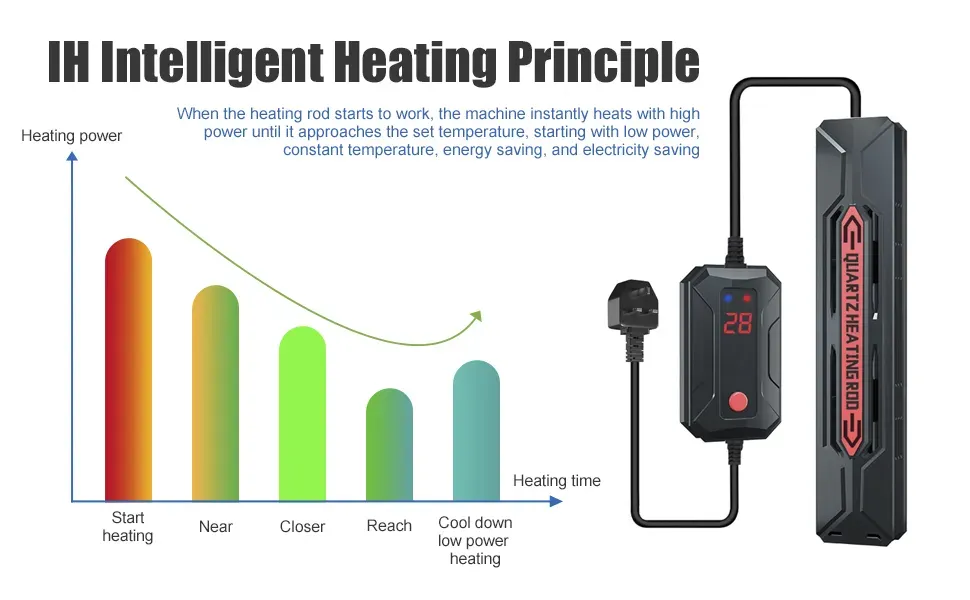
Ready to stock your 60L tank? Tropical communities need a reliable heater holding 24–26°C. See our XINDI XD-L880 500W quartz heater — quartz tube, external single LED display, free UK delivery from £54.02.
Ready to try AquariumPet?