How to Start a Home Aquarium UK: Planning and Kit Guide
How do you start a home aquarium in the UK?
TL;DR: To start a home aquarium in the UK: choose a stable tank size (ideally 60–100 litres, or plan properly if a big second-hand tank has landed in your lap), place it away from sunlight and radiators on a rated stand, buy the kit once and buy it right, condition UK tap water, and cycle the filter for 4–6 weeks before adding fish. Most beginner failures come from rushing the cycle or skipping water testing — not from bad luck.
Starting a home aquarium in the UK is best done in a simple, proven order: pick the right tank size and location, set up filtration/heating (if tropical), treat UK tap water with a dechlorinator, then run the tank through the nitrogen cycle before adding fish. This approach aligns with widely used UK fishkeeping guidance (including advice commonly shared by UK aquatic retailers and industry bodies such as OATA) and helps you avoid the most common early mistakes.
There is something profoundly therapeutic about watching fish glide effortlessly through crystal-clear water. In a busy modern routine, a well-run aquarium can feel like a calm, living focal point at home. While the NHS often promotes mindfulness and stress-reducing hobbies, studies have shown that observing aquarium fish can help lower blood pressure and heart rates.
"According to the Ornamental Aquatic Trade Association (OATA), over 4 million households in the UK own pet fish, making them the third most popular pet in the country behind dogs and cats."
However, setting up an aquarium properly requires more than filling a bowl with tap water and adding a goldfish. The science of fishkeeping—often referred to as aquariology—depends on water chemistry, biology, and meeting each species’ environmental needs. Therefore, this AquariumPet guide walks you through the full beginner journey: from choosing a tank location in a typical UK home to managing British tap water and establishing a healthy nitrogen cycle so your fish can thrive.
Key takeaways for starting a home aquarium (UK)
- Cycle first, fish later: Don’t add fish on day one. The nitrogen cycle typically takes 4–6 weeks.
- Start bigger for stability: 60 litres+ is usually easier than a nano tank because water parameters swing less.
- Test your local tap water: UK hardness varies by region, so test before choosing fish.
- Always dechlorinate: UK mains water commonly contains chlorine/chloramine—use a water conditioner every water change.
Where should you put an aquarium in a UK home?
Before you buy anything, decide where the tank will live. Once filled with water, substrate, and décor, aquariums become extremely heavy and difficult to move. As a practical guide, one litre of water weighs roughly one kilogram—so a 100-litre setup can easily exceed 120–130kg once fully scaped. Therefore, choosing the right spot first prevents costly mistakes later.
What factors matter most for aquarium placement in the UK?
- Avoid direct sunlight: A south-facing window or conservatory can trigger rapid algae blooms and overheating during warm spells in the UK.
- Keep away from radiators and draughts: Central heating can cause temperature swings if the tank is too close to a radiator. Likewise, avoid draughty doors or poorly sealed windows.
- Use proper structural support: Choose a purpose-built aquarium stand. Many flat-pack units are not rated for sustained heavy loads. If you live in an older UK property with suspended timber floors, place the tank across the joists (not parallel) for better support.
- Plan safe electrics: Most tanks need power for a filter, heater (if tropical), and lighting. Use drip loops on all cables and avoid trailing extension leads across walkways.
Should you choose tropical or coldwater fish as a beginner in the UK?
Next, decide whether you want a tropical tank or a coldwater (temperate) setup. Both can work well in the UK; however, they suit different budgets, species, and tank sizes.
Is a coldwater aquarium easier for beginners in the UK?
Coldwater tanks can run at ambient room temperature and may not need a heater. Because many UK homes sit around 18°C–21°C, that can suit certain hardy species. That said, coldwater does not automatically mean “easy” or “small.” Goldfish, for example, grow large and produce significant waste, so they need big tanks (often 200+ litres) and strong filtration.
Instead, if you want unheated options for modest spaces, consider White Cloud Mountain Minnows, Zebra Danios, and some loaches (species-dependent). For more ideas, see our guide to the best coldwater fish for small tanks UK.
What’s the simplest tropical aquarium setup for UK beginners?
Tropical aquariums usually need a submersible heater to hold a steady 24°C–26°C. This adds a little to electricity usage; nevertheless, it opens up many beginner-friendly community fish. Popular choices include Guppies, Platies, Neon Tetras, and Corydoras catfish.
Because many tropical species are smaller than coldwater fish like goldfish, they often suit standard beginner tank sizes. If you’re starting around 60 litres, explore our recommendations for the best tropical fish for a 60L tank UK.
What equipment do you need to start a home aquarium in the UK?
To succeed, you’re essentially building a stable mini-ecosystem. Across beginner setups the same pattern repeats: failures trace back to underpowered filtration, missing water tests, or rushed stocking — almost never to skipping the decorative extras. So if the budget only stretches once, spend it on the essentials below and treat “nice-to-haves” as upgrades later. Configured this way you buy once and stop fiddling.
1. What size tank is best for beginners?
Avoid tiny 15–20 litre nano tanks at the start. Small water volumes are more volatile—overfeeding, missed maintenance, or a temperature drop can cause fast toxin spikes. Instead, we recommend beginning with 60 to 100 litres for a more forgiving margin of error.
2. What filter should you use for a beginner aquarium?
Your filter is the aquarium’s life support. It provides:
- Mechanical filtration: sponges trap debris and waste.
- Biological filtration: biomedia houses beneficial bacteria that convert toxic ammonia.
- Chemical filtration (optional): carbon/resins can remove odours/discolouration, but aren’t essential day-to-day.
For beginners, choose a filter rated above your tank size (a little over-filtration is helpful), and keep the media wet and running—never rinse it under the tap, as chlorine can harm beneficial bacteria.
3. Do you need a heater in the UK?
If you keep tropical fish, yes—use a thermostatic heater and a simple thermometer to verify accuracy. In UK homes, room temperature can fluctuate with central heating schedules and seasonal changes, so consistency matters.
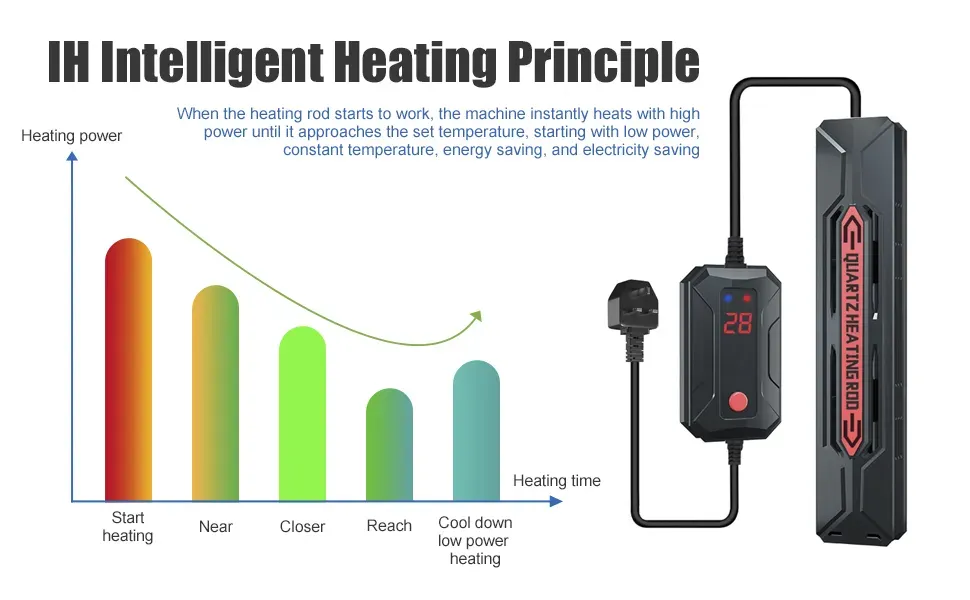
For tanks up to 300 L (about 100 cm), the XINDI XD-L880 500W Quartz Aquarium Heater puts the quartz rod in the tank and the single LED controller on the cable. It is not listed for 500 L+ cabinets.
4. What lighting do you need?
Basic LED lighting is sufficient for most beginner fish-only setups. If you want live plants, choose a plant-capable LED and use a timer to keep a consistent photoperiod (often 6–8 hours to start), which helps reduce algae.
5. Do you need water conditioner and test kits in the UK?
Yes. According to common UK water treatment practices, mains water is disinfected with chlorine and/or chloramine. Therefore, always use a water conditioner at every water change. Also, use a liquid test kit (or reliable strips as a minimum) to track ammonia, nitrite, nitrate, and pH—especially during cycling.
6. What substrate and décor are safe?
Choose inert aquarium gravel or sand unless you specifically want a planted substrate. Additionally, only use aquarium-safe rocks/wood. Household items and “found” stones can alter pH/hardness or introduce contaminants, so it’s safest to buy from reputable aquatic sources.
7. Bought a second-hand tank? What to keep and what to replace
Facebook Marketplace bargains are how many UK keepers end up with a 300–600 litre tank for a fraction of retail — and a pile of unknown-age equipment. The glass, stand and décor are usually fine after a vinegar clean and a leak test in the garden. Replace new: the heater (seals and thermostats degrade invisibly, and on a big tank the wattage was probably wrong anyway — see our aquarium heater UK wattage guide), filter media (dried-out media is dead media, though the pump body itself is often fine), and any test kit past its expiry date.
How do you cycle a fish tank in the UK (and how long does it take)?
Cycling — growing the beneficial bacteria that make water safe — takes around 4–6 weeks and is the step most beginners rush. The full method, dosing amounts, week-by-week timeline and test readings live in our dedicated guide: fishless cycle: a step-by-step UK aquarium guide.
Is UK tap water safe for fish?
UK tap water can be perfectly safe for fish after conditioning, but it varies by area. The two big issues are disinfectants (chlorine/chloramine) and hardness. Therefore, treat new water with a conditioner and test your baseline parameters before choosing fish.
How do you check your water hardness in the UK?
Use a GH/KH test kit, and if you want additional context, check your local water supplier’s water quality report. Then, match fish to your natural water where possible—this is often simpler and more humane than constantly altering pH/hardness.
When can you add fish to a new aquarium?
Add fish only after the tank is cycled and your test results are stable. Then, stock slowly. For example, add a small first group, monitor for 1–2 weeks, and only then add more. This gives the bacterial colony time to adjust to the increased bioload.
What are good first fish for a UK beginner aquarium?
Good first choices depend on tank size and whether you’re running tropical or temperate. As a general rule, choose hardy community fish from reputable sources, avoid “single goldfish in a small tank” setups, and confirm adult size before buying. If you’re unsure, AquariumPet recommends building a stocking list around your tank volume and tap water hardness rather than picking fish first.
How do you maintain a home aquarium (weekly routine)?
Once stocked, consistency is what keeps fish healthy. In other words, simple weekly maintenance beats occasional “big clean” interventions.
What’s a simple weekly aquarium maintenance checklist?
- Test water (especially in the early months): ammonia, nitrite, nitrate.
- Do a partial aquarium water change (often 20–30% weekly) using dechlorinated tap water at a similar temperature.
- Light gravel vac to remove detritus without stripping the tank bare.
- Clean the glass if needed and trim plants if you have them.
- Rinse filter sponges/media only in old tank water (never under the tap).
Frequently asked questions about starting a home aquarium in the UK
How much does it cost to start a home aquarium in the UK?
Costs vary by tank size and whether you go tropical. As a rough guide, budget for the tank and stand, filter, heater (if needed), lighting, substrate, conditioner, and test kit. Spending a bit more on a reliable filter and liquid tests saves money long-term by preventing losses and emergency fixes — for ongoing bills, see our breakdown of how much electricity a fish tank heater uses in the UK.
How long should you wait before adding fish to a new tank?
Usually 4–6 weeks, but always rely on water tests rather than a set number of days. You’re ready when ammonia and nitrite repeatedly read zero after the tank has been fed an ammonia source, with nitrate present.
Do you need to let tap water sit overnight in the UK?
No. Letting water stand may reduce chlorine in some cases, but it doesn’t reliably neutralise chloramine. In the UK, the safest approach is to use a proper aquarium water conditioner every time.
Is a 60-litre tank big enough for beginners?
Yes—60 litres is often a strong starting point in UK homes because it’s stable enough for learning, yet still fits in many rooms. It can suit a small tropical community (stocked sensibly) or selected coldwater/temperate species depending on their adult size and needs.
What is the biggest beginner mistake when starting a home aquarium?
Rushing—adding fish before the tank is cycled, or adding too many fish at once. Next most common is not treating UK tap water with conditioner, followed by skipping regular testing in the first few months.
Related reads: Best Coldwater Fish for Small Tanks UK · How Much Electricity Does a Fish Tank Heater Use UK?
Ready to try AquariumPet?