Fishless Cycle: A Step-by-Step UK Aquarium Guide
TL;DR: A fishless cycle means setting up your filter, dosing a measured ammonia source (e.g., ammonium chloride), and using a liquid test kit until your tank can turn ~2ppm ammonia into 0 ammonia and 0 nitrite within 24 hours. In most UK homes this takes 2–6 weeks, and you finish with a large dechlorinated water change to reduce nitrate before adding fish.
Here’s the direct answer: you fishless cycle an aquarium by adding dechlorinated tap water, running the filter 24/7, dosing a known amount of aquarium-safe ammonia, then testing ammonia/nitrite/nitrate until beneficial bacteria are established and your readings hit ammonia 0 and nitrite 0 after a 24-hour “proof” dose. It is the part of a first big-tank setup where most people stall — the forum advice contradicts itself (some still recommend cycling with hardy fish; UK retailers and vets now overwhelmingly recommend fishless), the numbers refuse to move for a fortnight, and it is tempting to add fish early. The method below replaces guesswork with readings you can trust.
Key Takeaways
- A fishless cycle builds beneficial bacteria before you buy fish, preventing ammonia/nitrite poisoning.
- In most UK homes, cycling takes 2–6 weeks depending on temperature, filter media, and dosing accuracy.
- Use a known-dose aquarium ammonia starter UK product (e.g., Dr Tim’s) and a liquid test kit (e.g., API Master Kit) for reliable results.
- You’re ready to add fish when ammonia = 0, nitrite = 0, and you can process a “test dose” of ammonia within 24 hours.
What is a fishless cycle and why do UK aquarists recommend it?
A fishless cycle is the process of growing the tank’s nitrifying bacteria without using fish as an ammonia source. As a result, you establish the biological filter safely before stocking.
In a brand-new aquarium, there’s no established colony of bacteria to convert toxic waste into less harmful compounds. Consequently, you can get a spike in ammonia (NH3), followed by nitrite (NO2-). Both can harm fish at low levels.
A fishless cycle “teaches” your filter and surfaces to host two key bacterial groups:
- Ammonia-oxidisers that convert ammonia to nitrite
- Nitrite-oxidisers that convert nitrite to nitrate (NO3-)
Nitrate is still something you manage (primarily via water changes and plants), but it is far less acutely toxic than ammonia and nitrite. Therefore, cycling before stocking is considered best practice by aquatics professionals and most reputable UK retailers.
A pattern UK keepers consistently report: the biggest difference between a smooth start and a stressful one is consistency — stable temperature, a running filter 24/7, and measured ammonia dosing.
If you’re at the very start of planning — tank position, stand, full equipment list — that side of the project has its own guide: how to start a home aquarium UK. This page owns the cycling itself.
What do you need for a fishless cycle in the UK (shopping list)?
To do a fishless cycle properly, you need an ammonia source you can measure and a test kit you can trust. This list covers cycling consumables only — the full hardware checklist (tank, stand, filter, heater, lighting) lives in our home aquarium planning guide. In UK tap-water conditions (hardness and chloramine vary by region), accuracy matters—so it’s worth getting the basics right from day one.
1) Which ammonia should you use for a fishless cycle in the UK?
-
Pure bottled ammonium chloride (recommended). This is the easiest and most controllable aquarium ammonia starter UK option. Many UK hobbyists use Dr Tim’s.
Tip: Choose products labelled for aquariums and fishless cycling—avoid household “ammonia” cleaners. - Fish food method (less accurate). You add food and let it decay. It works, but it’s slower, smellier, and harder to dose consistently.
2) Do you need dechlorinator in the UK for cycling?
Yes. Most UK water supplies are disinfected with chlorine and/or chloramine, which can harm beneficial bacteria. So, use a reputable water conditioner at every water change and whenever adding tap water. If your supplier uses chloramine, ensure the conditioner specifically treats it.
According to UK water supplier guidance, disinfectants such as chlorine/chloramine are used to keep tap water microbiologically safe—great for humans, but something you must neutralise for aquarium use.
3) What filter and media works best for a fishless cycle?
Your filter is the “engine” of the cycle. Therefore, ensure it runs 24/7 and avoid switching it off overnight (even “just to keep it quiet”), which can stall cycling.
If you’re choosing equipment for a living room, our guide to the best quiet aquarium filters UK helps you avoid noisy models that tempt people to turn the filter off.
4) Do you need a heater to fishless cycle an aquarium in the UK?
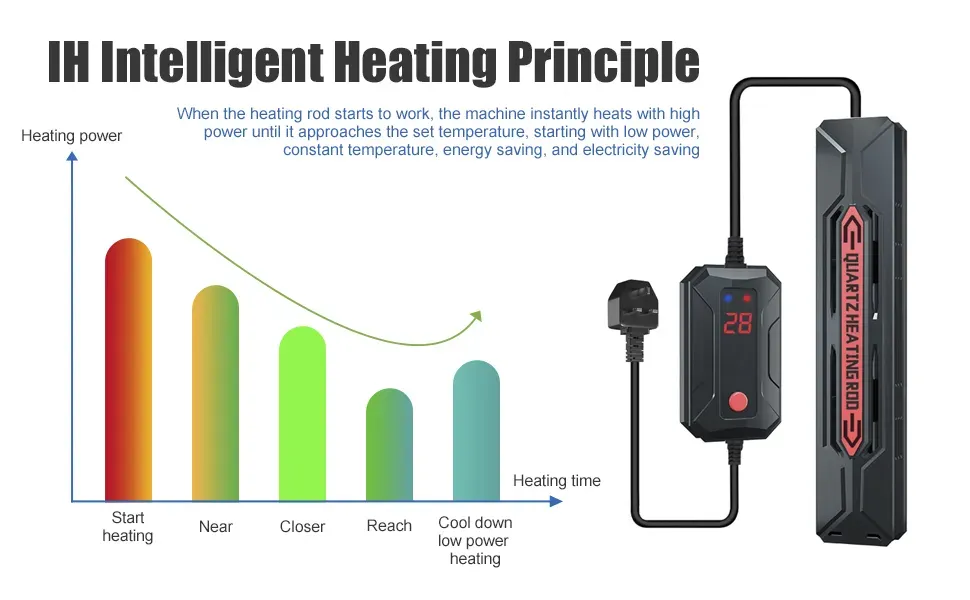
Nitrifying bacteria work faster at stable, warmer temperatures. Even in many UK homes, room temperature can swing. If you’re cycling a tropical tank, set the heater to ~26–28°C to speed things up. For coldwater, you can still cycle without a heater; however, expect it to take longer. If you’re cycling a big second-hand tank and the heater came with it, treat it as suspect — a thermostat that drifts mid-cycle will quietly stall your bacteria, and sizing is its own subject (see our aquarium heater UK wattage guide).
5) What test kit is best for fishless cycling in the UK?
For reliability, use a liquid test kit. Strips can be convenient but are often less precise for ammonia and nitrite tracking. This guide focuses on the API kit because it’s widely available in the UK and well-understood by hobbyists.
Keep the intent simple: you need ammonia, nitrite, and nitrate readings you can act on. Next, we’ll cover the step-by-step timeline and what “normal” looks like.
How long does a fishless cycle take in the UK?
Most fishless cycles in UK home conditions take 2–6 weeks. That said, timing varies with temperature, filter media surface area, pH stability, and how consistently you dose and test.
- Faster cycles usually happen in heated tropical setups (stable ~26–28°C) with consistent dosing and good filtration.
- Slower cycles are common in unheated tanks or where pH drops in soft-water areas.
How do you do a fishless cycle step-by-step (UK timeline)?
This timeline assumes you’re using bottled ammonia (ammonium chloride), a running filter, dechlorinated water, and a liquid kit. Times can vary; however, the pattern is consistent.
Before Day 1: How do you prepare the tank for a fishless cycle?
- Assemble the tank, filter, and heater (if used). Ensure good water movement.
- Fill with tap water and add dechlorinator at the correct dose.
- Run the system for 24 hours to stabilise temperature and confirm everything works (no leaks, filter primes properly).
- If you’re using substrate or décor, rinse appropriately (never use soap).
Day 1: How much ammonia should you add for a fishless cycle?
Target an initial ammonia reading of around 2 ppm for most community aquariums. This provides enough “food” for bacteria without making the process excessively harsh.
How to use Dr Tim’s ammonia UK (practical approach): always follow the label dosing for your water volume, then confirm with a test. Bottle strengths and droplet size vary, so testing is the safeguard.
- Test ammonia 30–60 minutes after dosing (once it has circulated).
- If you’re below target, top up in small increments and re-test.
Days 2–7: When should nitrite appear in a fishless cycle?
Test daily (or every other day) for ammonia and nitrite. At first, ammonia stays high. Then you’ll see nitrite appear, which confirms the first bacterial group is establishing.
- If ammonia drops below ~1 ppm, dose back up to ~2 ppm.
- Do not do large water changes unless pH crashes or nitrite goes extremely high (see common mistakes below).
Week 2–4: Why is nitrite so high during a fishless cycle?
Most tanks go through a nitrite “wall” where nitrite remains high for days to weeks. This is normal. Eventually, nitrite will start falling and nitrate will rise, showing the second group of bacteria is catching up.
UK note on pH: If you live in a soft-water area (some parts of Scotland, Wales, and the South West), pH can drop during cycling due to acid production. A big pH drop can slow bacteria. Therefore, if your pH falls sharply, a partial water change with dechlorinated tap water often stabilises it.
Week 4–6 (sometimes sooner): How do you know when a fishless cycle is finished?
You’re aiming for this result:
- After dosing ammonia to ~2 ppm, ammonia returns to 0 within 24 hours
- Within the same 24 hours, nitrite returns to 0
- Nitrate is present (often noticeably higher than your tap water baseline)
Once you hit the 24-hour pass, do a large water change (often 50–80%) with dechlorinated tap water to reduce nitrate before stocking. Then, add fish gradually and keep testing, especially in the first week.
What are the most common fishless cycling mistakes in the UK?
- Not dechlorinating new water: even small top-ups can set bacteria back.
- Turning the filter off: bacteria need oxygenated flow; stopping it can cause die-off.
- Overdosing ammonia: very high levels can slow the process and complicate readings.
- Ignoring pH in soft-water areas: if pH drops sharply, cycling can stall.
- Relying on vague “bacteria in a bottle” claims: some products help, but testing still decides when you’re actually cycled.
In practice, the most reliable way to avoid false confidence is simple: keep a written log of dates, doses, and test results so you can spot trends rather than guess. For a first-time keeper it is also the antidote to second-guessing — the log tells you whether you are actually stuck or just impatient.
Fishless cycle FAQs (quick answers)
Can you fishless cycle with just fish food?
Yes, but it’s slower and less precise than dosing measured ammonium chloride. If you choose fish food, expect a longer timeline and more variable ammonia levels.
What ammonia level should I aim for during a fishless cycle?
Around 2 ppm for most community tanks, then confirm by liquid testing after dosing.
Do I need to do water changes during a fishless cycle?
Usually no, unless pH drops sharply or levels become extreme. However, you should do a large dechlorinated water change at the end to reduce nitrate before adding fish.
When can I add fish after a fishless cycle?
When your tank can process a ~2ppm ammonia dose to 0 ammonia and 0 nitrite within 24 hours, followed by a large dechlorinated water change.
Why is my nitrite stuck high for days?
The second bacterial group (nitrite-oxidisers) often develops more slowly. Keep the filter running, maintain stable temperature, and dose appropriately—then keep testing until nitrite drops to zero.
Ready to try AquariumPet?